Hockey City

When you hear the phrase Hockey City, a city where ice hockey thrives, home to major teams and a bustling fan culture. Also known as Ice Hockey Hub, it combines sport, community, and infrastructure in a unique blend.

Key to any hockey city is the sport itself. hockey, the fast‑paced, team‑oriented game played on a sheet of ice provides the core activity that draws crowds. Surrounding that is a sports stadium, a purpose‑built arena with quality ice, seating, and facilities for players and fans alike. Without a solid venue, the sport can’t reach its full potential. Equally important is the fan community, the passionate supporters who fill the stands, organize watch parties, and keep the city’s spirit alive. Finally, the team, the local professional or semi‑professional squad that represents the city in leagues and tournaments gives a tangible identity to the whole ecosystem. A hockey city encompasses a major arena, a dedicated fan community, and a professional team, all feeding off each other.

Why does this combination matter? The quality of the ice rink and the design of the arena directly affect player performance, while a lively fan base boosts ticket sales and media attention. City planners often invest in infrastructure because a thriving hockey scene can spur economic growth, boost tourism, and foster local pride. In turn, a strong team can elevate the city’s brand on national and international stages, attracting sponsorships and new talent. These relationships create a virtuous cycle: better facilities draw bigger crowds, bigger crowds encourage better teams, and stronger teams put the city on the map.

Below you’ll find a mix of stories that touch on the broader world of sport – from football legends and rugby rivalries to the quirks of stadium construction. While they don’t all revolve around hockey, they illustrate the same themes of venue importance, fan passion, and team dynamics that define a true hockey city. Ready to see how these ideas play out across different games and locations? Dive into the collection and see the patterns that make any sports‑centric city thrive.
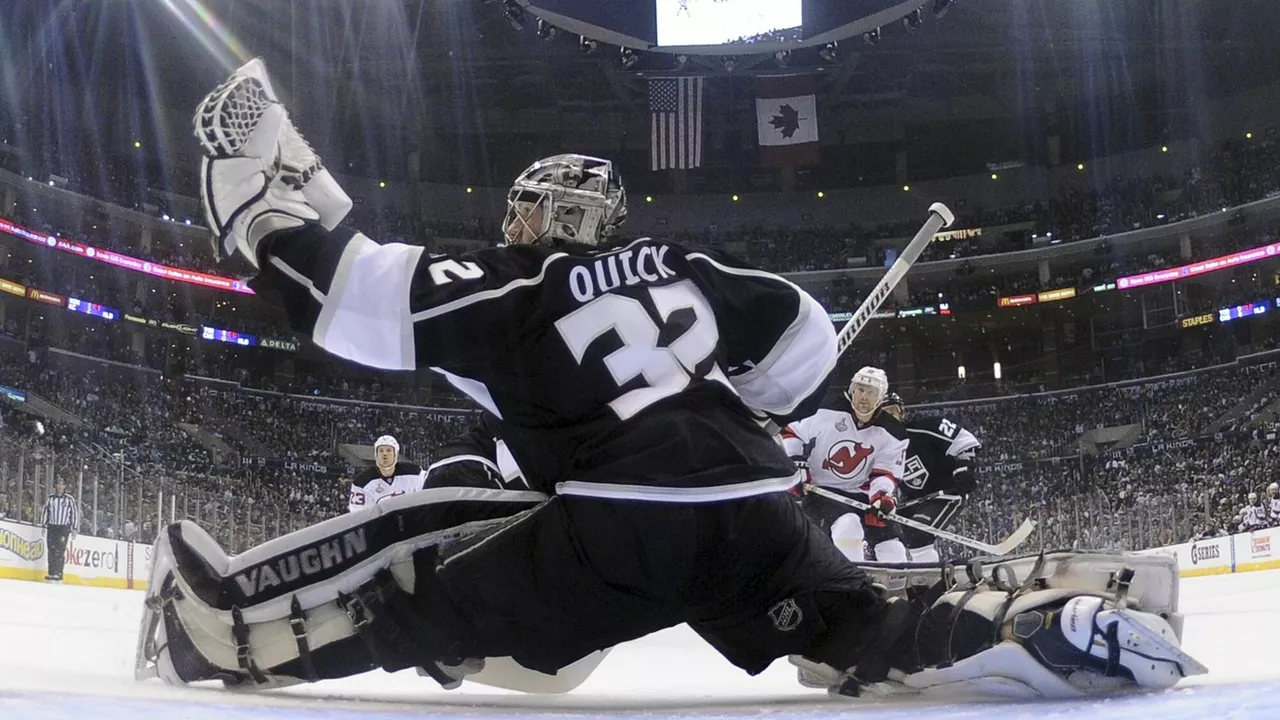
Is Los Angeles a big hockey city?

Is Los Angeles a big hockey city?

Caden Fitzroy Jul. 28 0

So, you're asking if LA's a hockey city, huh? Well, it's like asking if a zebra can do the cha-cha - surprising, but possible! Despite the palm trees and sandy beaches, the Kings do bring a chill to the city, making LA one huge, sun-baked hockey rink. Sure, it's not your traditional icy tundra, but with the Kings' two Stanley Cups, the city's hockey spirit is as hot as a summer beach day. So, to answer your question, yep, LA is a big hockey city, playing the game with as much gusto as a surfer hitting the waves!

More Detail
Recent posts
Why is the NFL season so short?

The NFL season is surprisingly short compared to other sports. With only 16 regular-season games and four preseason games, the NFL season lasts only 20 weeks, leaving football fans with a major void when it's over. The main reason for the brief season is to ensure the safety of players. By having fewer games, the players have more time to rest and recover between games, reducing the risk of injury. Additionally, the short season allows teams to keep their rosters fresh and competitive by emulating the free-agency system of other professional sports. Ultimately, the short season can be a double-edged sword, providing benefits but also leaving fans wanting more.

Judge Dismisses Charges Against Comey and James After Ruling Prosecutor Was Illegally Appointed

A federal judge dismissed charges against James Comey and Letitia James after ruling prosecutor Lindsey Halligan was illegally appointed, marking a major rebuke of Trump-era efforts to weaponize the Justice Department.

Who invented sports and why?

Sports have existed since the beginning of civilization, but they were not always the same as they are today. Ancient cultures participated in activities that were similar to modern sports, such as running, wrestling and ball games. Sports were invented to entertain people, to strengthen physical and mental abilities, and to foster competition. They were also used to celebrate special events, to build social bonds and to promote religious beliefs. Today, sports have become an important part of our lives, providing entertainment, physical and mental benefits, and even a way to make a living.

About Us

Sports and Recreation