Play: Sports, Games, Competition and Entertainment Explained

When talking about Play, the act of engaging in games, sports, or any activity for enjoyment or skill development. Also known as recreation, it brings people together, sparks competition, and fuels excitement.

One of the biggest families under the play umbrella is Sports, organized physical contests with rules, teams, and clear goals. Games, structured activities that challenge skill, chance, or both sit right beside sports, offering low‑gear ways to enjoy the same thrill. Both sports and games create a natural environment for Competition, the pursuit of outperforming others in a defined arena. In other words, Play encompasses sports, Play requires competition, and Entertainment influences play. Whether it’s a backyard match, a professional league, or a virtual showdown, the same core ideas drive the experience.

Why Play Matters Across Activities

Play isn’t just about fun; it’s a catalyst for learning, health, and community. When kids kick a ball, they develop coordination and teamwork. Adults joining a local league find stress relief and social bonds. Even non‑physical activities like music tours or quirky world‑record attempts tap into the same desire to engage and be seen. The posts on this page illustrate that range: from a legendary footballer’s next move, to a sinkhole that turned a city street into an accidental arena, to a record‑breaking Crocs collection that turned footwear into a playful statement. Each story shows how play, in its many forms, shapes culture and sparks conversation.

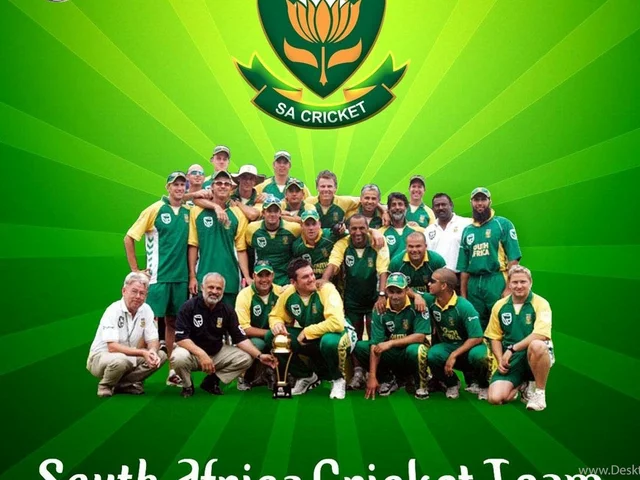
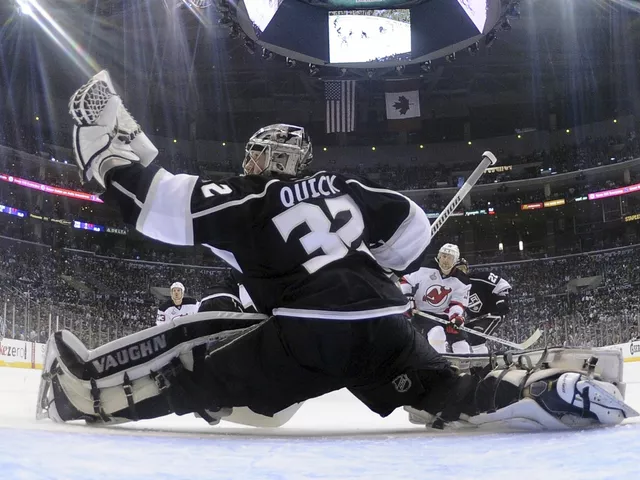
Because play ties together sport, competition, and entertainment, it also bridges the gap between serious skill and casual enjoyment. A fan can watch a hockey match in Los Angeles, cheer for a rugby squad in South Africa, or follow a pop star’s tour—all while feeling the pulse of play. The common thread is the human urge to be part of something larger, to test limits, and to celebrate achievement, whether on a green lawn, a stadium, or a social feed.

Below you’ll find a curated mix of articles that capture this spirit. From insights on how a famous quarterback might spend his retirement days, to the debate over one‑game championships, to the story behind a massive Crocs collection supporting foster care—each piece reflects a facet of play. Dive in to see how the concept we all love shows up in unexpected places and how it continues to evolve in today’s world.

Which sport his harder to play: baseball or football?

Which sport his harder to play: baseball or football?

Caden Fitzroy Feb. 27 0

This article compares baseball and football, two popular American sports. It explains that baseball requires the players to have great hand-eye coordination and accuracy, while football requires more physical strength and conditioning. It also mentions that both sports have a long history in the United States and require a great deal of skill and dedication. In conclusion, it is difficult to say which sport is harder to play, as both require different skills and abilities. However, the intensity and physicality of football can make it more challenging for some players.

More Detail
Recent posts
Who invented sports and why?

Sports have existed since the beginning of civilization, but they were not always the same as they are today. Ancient cultures participated in activities that were similar to modern sports, such as running, wrestling and ball games. Sports were invented to entertain people, to strengthen physical and mental abilities, and to foster competition. They were also used to celebrate special events, to build social bonds and to promote religious beliefs. Today, sports have become an important part of our lives, providing entertainment, physical and mental benefits, and even a way to make a living.

Bangkok sinkhole rips open road, swallows vehicles – workers forced to flee as crater collapses

A 50‑meter‑deep sinkhole erupted on Samsen Road in Bangkok’s Dusit district, swallowing police cars and utility poles. Workers lowered into the pit had to be pulled out when the walls gave way. Officials blamed botched underground rail work and evacuated the nearby hospital and residences. No injuries were reported, but power and water were cut off as the area was secured.

Why is Kansas City not in Kansas State?

As a blogger, I've always been curious about why Kansas City isn't actually in Kansas State. It turns out that Kansas City is primarily located in Missouri, with a small portion extending into Kansas. This is because the city was founded in the early 1800s, before Kansas became a state. The location of Kansas City was chosen due to its position at the confluence of the Missouri and Kansas Rivers, making it a prime spot for trade and settlement. So, even though it shares its name with the state of Kansas, Kansas City is actually a Missourian gem!

About Us

Sports Comparisons