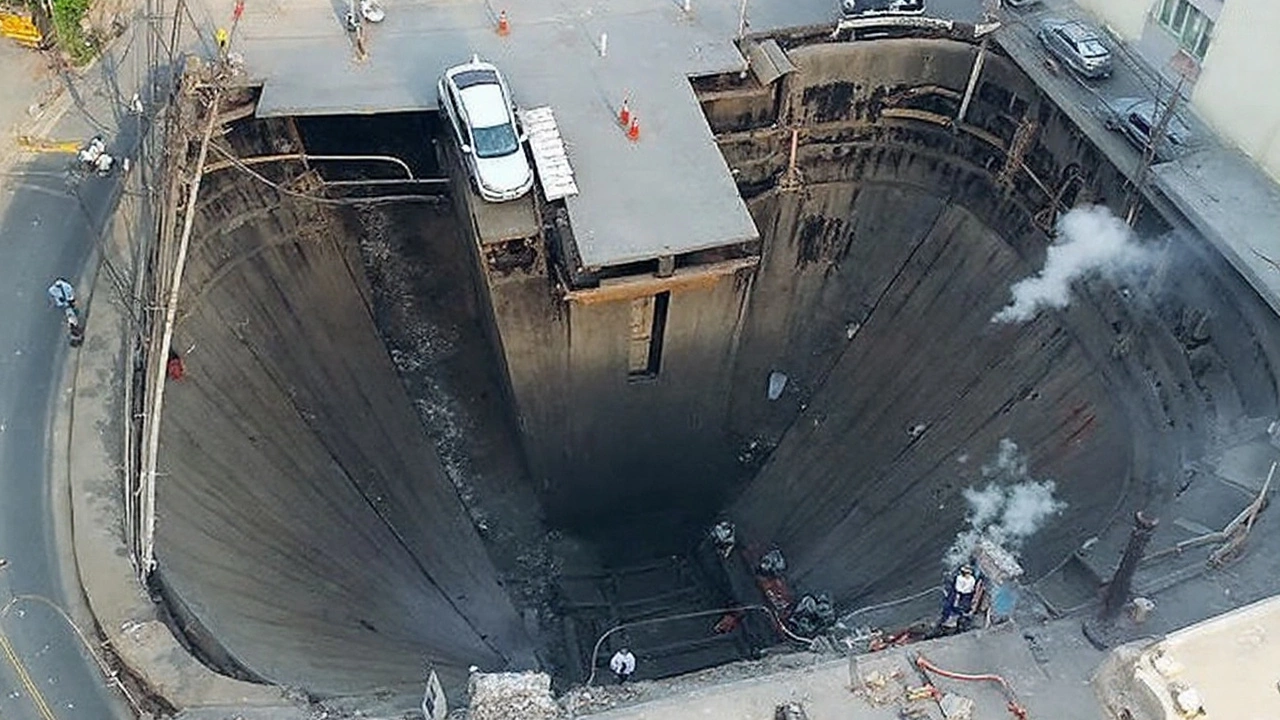
Sinkhole
When you hear the word Sinkhole, a sudden depression or hole in the ground caused by the collapse of surface material. It’s also known as ground sink, and it can turn a quiet street into a dramatic scene in seconds. sinkhole stories grab headlines because they blend natural science with everyday disruption—think cars swallowed, houses tilted, and roads vanished.
Why sinkholes happen: the science behind the surprise
Geology, the study of Earth’s materials and processes is the backbone of any sinkhole explanation. In regions rich with soluble rocks like limestone, a process called karst formation creates hidden voids over centuries. When Groundwater, water that moves through underground pores and fractures seeps into these cracks, it slowly dissolves the rock, enlarging the cavity. As the void grows, the weight of the soil above eventually gives way, producing a sinkhole. This chain—Geology influences groundwater flow, groundwater erodes rock, erosion leads to ground collapse—forms a clear semantic triple that explains most cases.
But not every sinkhole follows the same recipe. Soil erosion, the removal of topsoil by water, wind, or human activity can accelerate the collapse, especially when heavy rain saturates the ground and reduces its strength. In urban settings, storm‑drain systems or construction vibrations can trigger a sudden failure. Meanwhile, Cave formation, the development of natural underground passages often precedes sinkhole events; a cave roof that thins out over time is a ticking time bomb. The interplay of these entities—geology, groundwater, soil erosion, and cave formation—creates multiple semantic connections that keep the topic fresh and layered.
Understanding how these pieces fit together matters beyond academic curiosity. Insurance adjusters look for signs of *ground collapse* risk, city planners assess infrastructure vulnerability, and homeowners watch for surface cracks or water pooling as warning flags. Recent news articles, like the surprise appearance of a massive sinkhole at a popular shopping district, illustrate how quickly a stable environment can change. Below, you’ll find a mixed bag of real‑world examples, from celebrity‑linked events to quirky record‑breaking stories, all tied together by the same underlying science. Dive in to see how each piece—whether it’s a celebrity’s tour venue or a local sports field—gets affected when the earth decides to open up.