South Africa: Culture, Sports, Tourism and More
When talking about South Africa, a country at the southern tip of the African continent known for its varied landscapes, rich history, and vibrant mix of peoples. Also called the Rainbow Nation, it plays a pivotal role in African economics and global tourism, you instantly picture stunning coastlines, the iconic Table Mountain, and a legacy of transition from apartheid to democracy. This nation South Africa encompasses wildlife conservation, drives a bustling sports scene, and fuels a growing tourism industry. These three pillars create a web of connections that shape daily life and international perception.
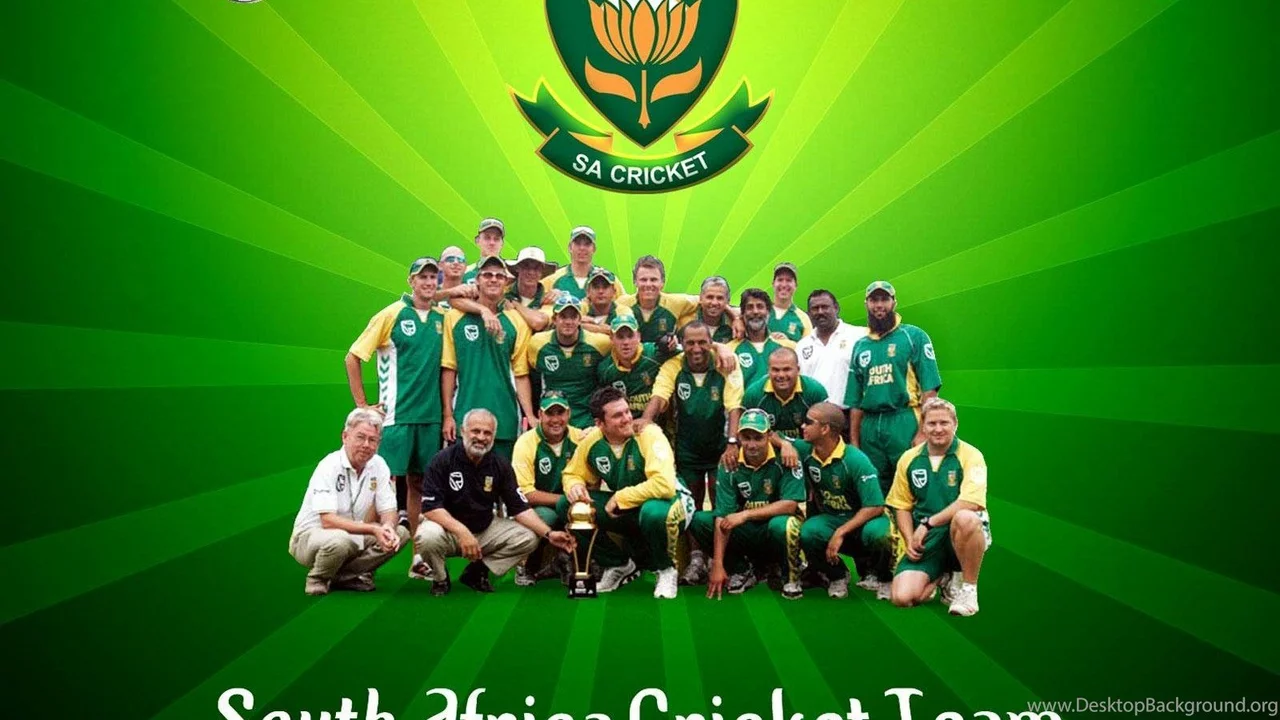
One of the most visible tourism, the sector that draws millions of travelers to explore safaris, vineyards, and historic sites in South Africa thrives on the country’s unique blend of natural and cultural assets. The game reserves of Kruger, the winemaking valleys of Stellenbosch, and the bustling streets of Johannesburg each showcase a different facet of the nation’s appeal. Meanwhile, sports, particularly rugby, cricket, and soccer, unite communities and put the country on the world stage through events like the Rugby World Cup and the Soccer World Cup, which require infrastructure, government support, and local enthusiasm, linking economic growth to cultural expression.
Beyond the stadiums and safari lodges, culture, the mosaic of languages, traditions, and artistic expressions that define everyday life shapes South Africa’s identity. With eleven official languages, from Zulu to Afrikaans, the country’s linguistic diversity fuels literature, music, and cuisine that travel far beyond its borders. Historical sites like Robben Island remind us how political struggle can spark global change, while contemporary art galleries showcase how new generations reinterpret that legacy. This cultural fabric influences both tourism experiences and sports fandom, creating a feedback loop where heritage fuels pride and attracts curiosity.
Economically, South Africa economy, a mix of mining, agriculture, and service industries, relies heavily on both tourism and sport-driven revenue has diversified as mining towns turn to adventure tourism and corporate sponsors fund youth development programs that nurture future athletes. The government’s focus on sustainable development enables communities to benefit from natural resources while preserving them for visitors. As climate challenges grow, the country’s adaptive strategies in wildlife management and urban planning become case studies for other nations.
All this context sets the stage for the diverse articles you’ll find below – from event recaps and cultural spotlights to analysis of sports achievements and travel tips. Dive in to see how South Africa’s many layers intersect and why the Rainbow Nation continues to capture imaginations worldwide.