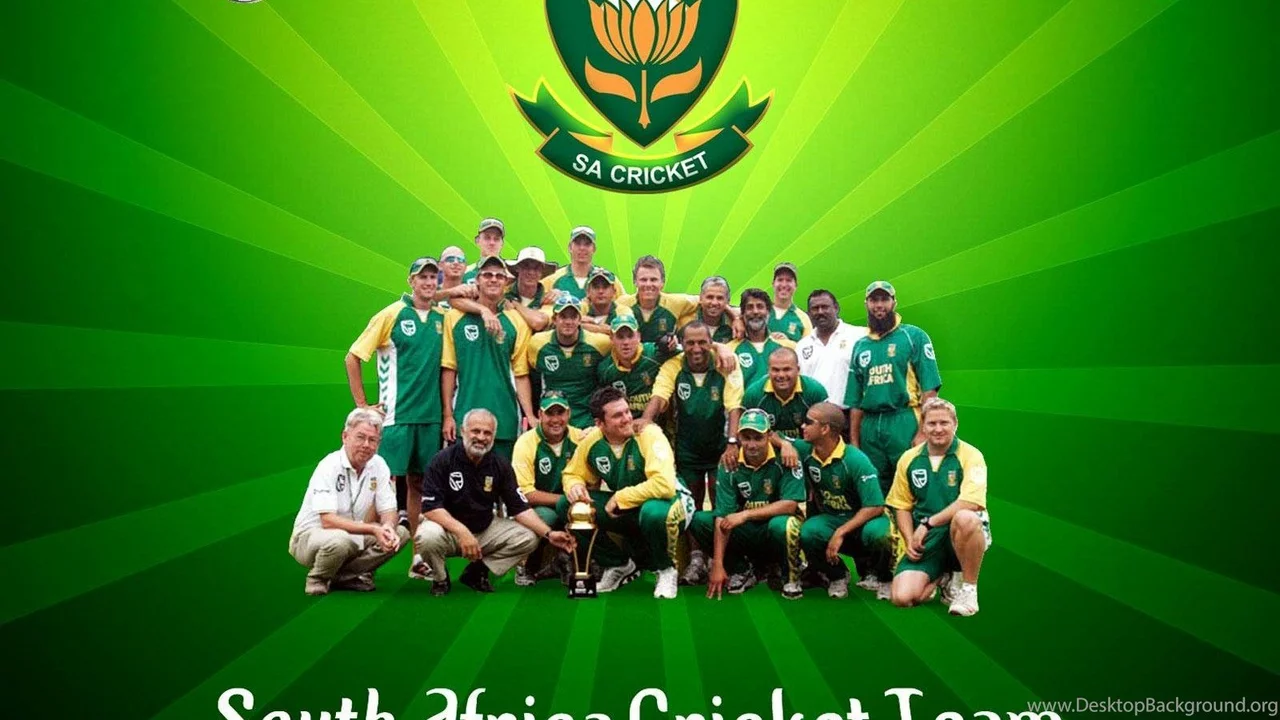
Cricket – A Friendly Look at the Game and Its Wider Sports World
When talking about cricket, a bat‑and‑ball game played on a grass field with two teams of eleven. Also known as the gentleman's game, it blends skill, strategy and a dash of patience.
Cricket isn’t an island – it shares many ideas with other sports. Take bowls, a precision game where players roll biased balls toward a target, for example. Both rely on fine motor control and reading the playing surface. Then there’s football, a fast‑paced team sport focused on scoring goals, which, like cricket, demands teamwork and tactical planning. Even hockey, a high‑speed ice sport with quick transitions mirrors cricket’s need for split‑second decisions when a bowler releases the ball.
How Cricket Works and Why It Matters
Cricket encompasses three core actions: batting, bowling and fielding. Batting is about timing and placement, bowling mixes speed and spin, and fielding covers catching, stopping runs and strategic placement. These three pillars create a constant push‑pull dynamic that keeps fans on edge. The sport also requires strategic planning – captains set field positions, choose bowlers and decide when to declare an innings. That strategic layer is similar to a football manager’s game plan or a hockey coach’s line changes.
Beyond the on‑field tactics, cricket thrives on sports culture. Communities gather at local greens, chat over tea, and celebrate milestones like a century or a hat‑trick. That community vibe fuels participation in other sports too; you’ll often see bowls clubs and cricket teams sharing the same clubhouse, letting members switch between games on a Saturday. This crossover creates a broader appreciation for teamwork and fair play.
When you break down the skills, you’ll notice clear overlaps. Hand‑eye coordination, essential for a batter’s drive, is also crucial for a bowler’s accurate delivery and a bowler’s precise roll in bowls. Physical fitness, stamina and mental focus are shared across cricket, football and hockey. In practice, a cricketer’s run‑up builds the same core strength a footballer uses for sprinting, while the quick reflexes a wicket‑keeper hones are useful for a hockey goalie.
Technology plays a growing role in cricket, just as it does in football and hockey. Data analytics track batting averages, bowling speeds and fielding efficiency, helping coaches fine‑tune tactics. Wearable sensors monitor player fatigue, preventing injuries that could sideline a season. These tools reflect a larger trend where sports lean on science to boost performance.
Looking at the fan side, cricket’s format variety – Test matches, One‑Day Internationals and T20s – mirrors how football offers league play, cup competitions and rapid‑fire tournaments. Each format serves different audiences: traditionalists love the five‑day drama, while younger fans gravitate to the fast‑paced T20 excitement. This flexibility helps cricket stay relevant alongside ever‑changing sports entertainment.
Whether you’re a seasoned player, a casual spectator, or someone curious about how sports intersect, this collection below shows the breadth of discussion around cricket and its sister games. You’ll find insights on strategy, player development, cultural impact and the way modern tech reshapes the field. Dive in to see how the core principles of cricket ripple through bowls, football and hockey, and pick up practical ideas you can apply on your own green or pitch.